Weekend Receipts, Weekday Discipline: Safeguarding Cash from Friday Close to Monday Ledger
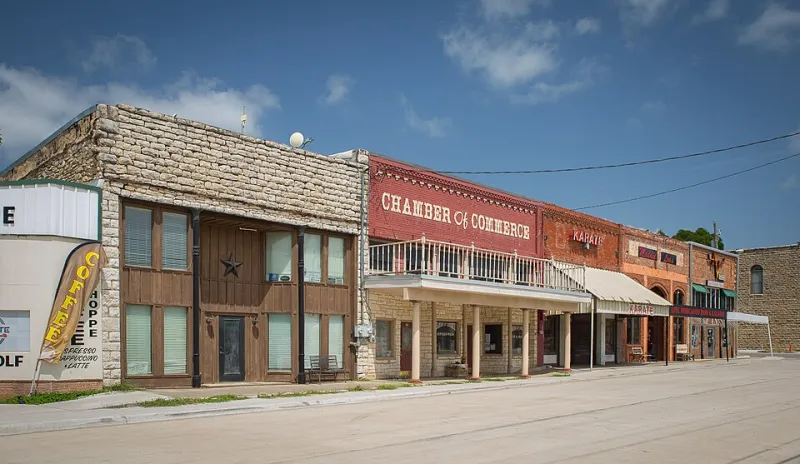
Photo: Renelibrary, CC BY-SA 4.0, via Wikimedia Commons
The Weekend Gap Between Receipt and Record
In Hico and across Central Texas, much of the week's commerce still arrives in the form of currency and coin. A Friday fish fry fills a cash box. A Saturday farmers market turns produce into folded bills. A Sunday plate collection places stewardship in the hands of volunteers. The bank lobby may be closed by the time the last transaction is complete, but the responsibility for that money does not pause.
The risk is not only theft. Weekend cash is vulnerable to honest mistakes: a miscounted drawer, a missing deposit slip, a bag left in a truck overnight, or a volunteer who accepts a counterfeit bill without a second look. The remedy is a routine that assigns every dollar a secure place, a second set of eyes, and a documented path to Monday.
Four Tools, Four Different Jobs
No single method solves every weekend need. The practical approach is to match the tool to the amount, the timing, and the number of people handling the funds.
Night Depository: Secure Transfer, Not Immediate Credit
A night depository provides a locked channel for after-hours deposits. For a merchant with a recurring Friday or Saturday cash volume, it can reduce the temptation to store receipts on premises. The important distinction is that placing a bag in the depository does not necessarily mean the funds are counted, verified, or credited at that moment. The bank must open the bag, count the contents, and process the deposit during business hours.
Before relying on this option, confirm the current bag requirements, cutoff times, and receipt procedure with First National Bank of Hico. Retain the depository receipt. It is evidence of transfer, not proof of the amount inside.
Mobile Deposit: Convenience With Limits
Mobile deposit can bridge the weekend for checks received at a Friday event or a Saturday booth. It is less useful for currency and coin, and it carries per-item and daily limits. Endorsements must be complete and consistent with bank requirements. A check should not be deposited twice, and the original should be retained for a reasonable period in case verification is needed.
Mobile deposit is best understood as a tool for checks, not a substitute for a cash-control procedure. A vendor who leaves currency in a cash box while depositing checks by phone has solved only half the problem.
Dual Count: The Most Underrated Control
Two people counting the same funds at the same time is a simple control that protects everyone involved. It reduces errors, discourages mishandling, and creates a shared record while the event is still fresh. The count should be recorded on a dated sheet showing currency and coin totals, checks, and any adjustments. Both counters should initial the sheet.
For a church treasurer, a dual count after the Sunday service can prevent a difficult conversation later. For a Friday fish fry, it allows the organizer to separate food sales from donations and reimbursements before fatigue sets in. For a farmers market vendor, a count at the booth before packing up is more reliable than a count at home after dark.
Temporary Safekeeping: A Short Bridge, Not a Permanent Solution
Some organizations need a brief holding place before Monday. A locked safe, a tamper-evident bag, and a consistent custody log can provide that bridge. Temporary safekeeping should have a defined owner, a defined location, and a defined time for transfer. Cash should not remain in a vehicle, a desk drawer, or an unattended fellowship hall.
If an event generates more cash than expected, consider splitting the funds into separate sealed bags with separate count sheets. This limits the loss if one bag is misplaced and makes reconciliation more manageable.
Three Weekend Scenarios, Three Priorities
Friday Fish Fry
The priority is separation of duties. One person should handle sales, another should verify the count, and a third should transport or deposit the funds when practical. Keep food-sale receipts distinct from donations and petty-cash advances. If the event uses a night depository, prepare the bag before the rush ends, not after the volunteers have gone home.
Saturday Farmers Market
The priority is portability and documentation. A vendor moving between booths should use a locked cash box and record large bills as they are received. Mobile deposit may handle checks, but currency should be counted and sealed before leaving the market. A dual count at the end of the day is more credible than a solo count at home.
Sunday Plate Collection
The priority is stewardship and trust. Ushers or counters should work in pairs, record the collection on a standard form, and place funds in a tamper-evident bag. The treasurer should receive the bag with the count sheet, not a verbal estimate. If the collection is deposited by night depository, the church should retain the receipt and compare it with the bank's verified deposit later.
Monday Reconciliation Checklist
- Compare the weekend count sheet with the deposit receipt or mobile deposit confirmation.
- Verify that the bank's credited amount matches the recorded currency, coin, and check totals.
- Investigate differences promptly, before the paper trail grows cold.
- Confirm that all checks were endorsed and deposited only once.
- Review any night depository bag numbers or seals against the log.
- Record the weekend results in the organization's ledger, including any shortage or overage.
- Ask whether the weekend procedure should change before the next event.
A Small-Town Control Worth Keeping
Weekend cash handling does not require elaborate equipment, but it does require consistency. The organizations that fare best are often those that treat a Friday fish fry, a Saturday market, and a Sunday collection as variations of the same problem: money received after hours needs a witness, a record, and a secure destination.
First National Bank of Hico is available to discuss deposit services, night depository procedures, and mobile deposit requirements. A short conversation before the next event can prevent a long one after a shortage.