The Recipe, the Ledger, and the Lease: Financing a Main Street Business Purchase

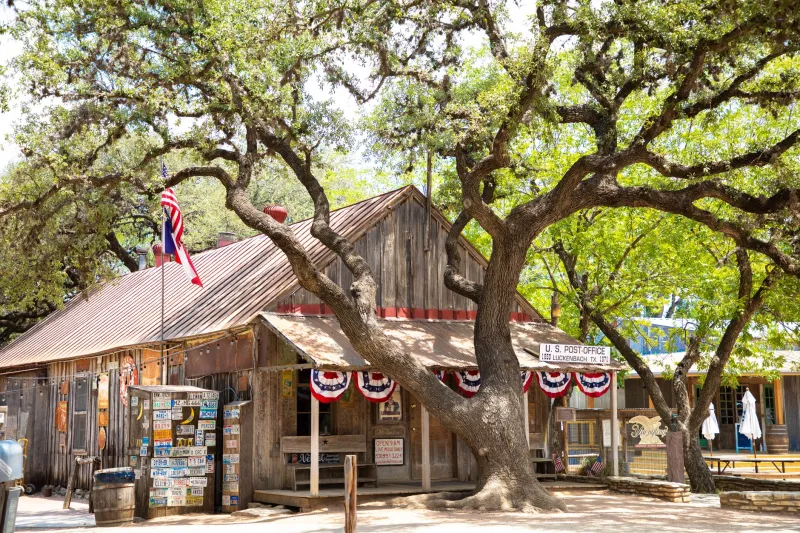
Photo by Photo by James McDonnell on Unsplash on Unsplash
In many Central Texas towns, the purchase of a longtime business starts with a question that has little to do with a spreadsheet: Will the regulars still feel welcome on Monday morning? A buyer may be acquiring a diner, a hardware store, or a feed shop, but the transaction also carries recipes, routines, employee relationships, and the goodwill of neighbors who have spent years at the counter. Financing that purchase requires attention to both the ledger and the life of the business.
The Business Is More Than the Equipment
When a retiring owner sells an established Main Street operation, the asking price usually includes tangible assets such as kitchen equipment, inventory, furniture, and fixtures. It may also include intangible value: the business name, customer lists, recipes, supplier relationships, and the location's reputation. A buyer should understand which assets are being transferred and which liabilities remain with the seller. In some transactions, the buyer purchases assets only; in others, the buyer acquires the entity itself. That distinction affects taxes, contracts, permits, and exposure to past obligations. An attorney and a tax professional should review the structure before signatures are exchanged.
Valuation: What Exactly Are You Buying?
A small-business valuation is not a single number pulled from a formula. It is a judgment about sustainable earnings. The buyer and lender will typically review several years of financial statements, tax returns, point-of-sale reports, and bank records. They will adjust for the owner's compensation, personal expenses run through the business, one-time costs, and below-market rent. The resulting figure is often described as seller's discretionary earnings, or SDE, and it gives a clearer picture of what the business can support after a new owner steps in.
Market multiples vary by industry, size, and risk. A diner with a strong lunch trade and a favorable lease may command a different multiple than a retail shop with declining foot traffic. Real estate is usually valued separately. The buyer should ask whether the business owns its building, leases at market terms, or benefits from an informal arrangement that may not survive a sale. A below-market lease can be valuable, but only if it is assignable and has enough remaining term to repay the loan.
Seller Financing and the Earn-Out
Seller financing is common in small-town business sales, and it can be useful for both parties. The seller receives a down payment and a promissory note for the balance; the buyer preserves working capital and gains a seller who has a reason to help the transition succeed. The note should state the interest rate, repayment schedule, collateral, and what happens if the business underperforms. A right of offset, standby provisions, and clear default terms are worth discussing with counsel.
An earn-out is another tool. Instead of placing the entire price on the closing table, the parties agree that part of the purchase price will be paid if the business meets specified revenue or retention targets after closing. Earn-outs can bridge a valuation gap, but they require careful drafting. The buyer and seller should agree on how revenue is measured, who controls expenses, and what happens if the owner's health or the local market changes. The goal is to align incentives without creating disputes that outlast the honeymoon.
SBA Loans and Conventional Alternatives
For many buyers, an SBA 7(a) loan is a practical option. The program offers a partial government guaranty to the lender, which can make financing available when the buyer has limited collateral or a shorter track record. Proceeds may be used for goodwill, equipment, inventory, working capital, and closing costs, subject to program rules. Buyers should expect a personal guarantee, detailed financial documentation, and a review of business experience and credit history. Timing matters; SBA processing is not instant, and the seller should understand the expected schedule.
Conventional bank financing may fit larger transactions, real estate purchases, or buyers with stronger collateral and experience. Some deals combine a conventional first lien with a seller note in a subordinate position. A community bank can explain the trade-offs between SBA and conventional structures and help the buyer prepare a package that answers the lender's questions before they become delays.
Due Diligence Before the Handshake
Due diligence is the buyer's opportunity to confirm what the seller has represented. It should include at least three years of financial statements and tax returns, recent bank statements, sales tax reports, payroll records, leases, supplier contracts, equipment lists, permits, licenses, and any liens or judgments against the business. For a restaurant, health inspections and equipment maintenance records matter. For a retail shop, inventory counts and vendor terms deserve attention.
Customer concentration is another consideration. A business that depends on one large account may be riskier than its revenue suggests. Employee retention is equally important in a small town, where the person who knows every regular's order may be as valuable as the oven. The buyer should ask for a transition plan: how long the seller will stay, how staff will be introduced to the change, and whether a noncompete agreement is part of the sale.
How a Local Banker Reads the Deal
A community banker looks beyond the asking price. The banker may know the seller, the landlord, the neighboring merchants, and the customers who keep the business alive. That local context does not replace financial analysis, but it informs it. Has the business paid its bills on time? Is the lease likely to renew? Does the buyer have relevant experience or a credible plan for the first year? How much cushion exists if sales dip during a slow summer?
The banker will also consider the buyer's character and capacity to manage debt. In a small town, reputation is not a soft consideration; it is part of the credit picture. A buyer who has worked in the community, maintained clear records, and treated employees fairly may present a stronger case than a stranger with a larger down payment.
A Closing That Preserves the Neighborhood
Financing a business acquisition is not only a matter of amortization schedules. It is a chance to keep a local institution open, retain jobs, and pass stewardship from one neighbor to another. As of 2026, buyers and sellers in Central Texas can still structure these transactions with patience and local knowledge. The right approach begins with realistic valuation, a well-drafted seller note or earn-out, thorough due diligence, and a banker who understands that the diner's recipe and the ledger belong in the same conversation.