The Feed Bucket and the Balance Sheet: Budgeting a First Stock Show Project in Central Texas
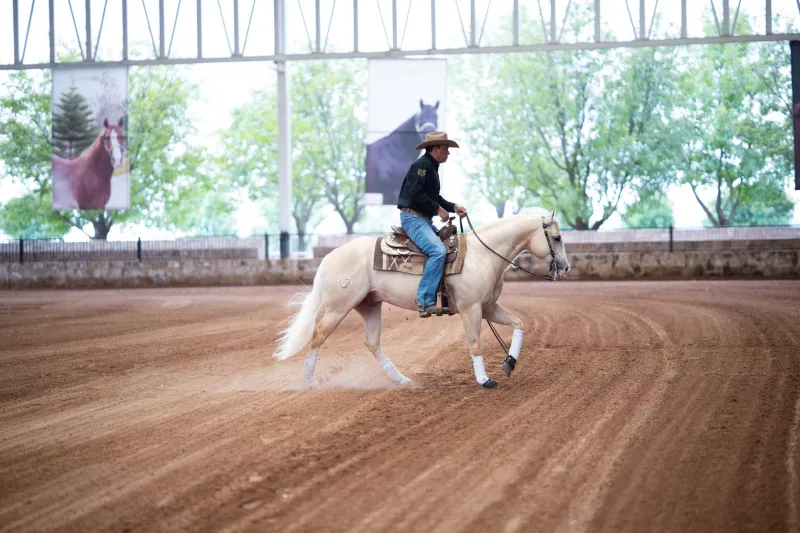
As autumn gives way to winter in Hico, many families are already looking ahead to the Texas stock show season. For a young person in 4-H or FFA, a first livestock project can be one of the most instructive experiences available—a lesson in animal husbandry, responsibility, record keeping, and deadlines. It can also be expensive. The family that treats the project as a budget line rather than an open-ended commitment is better positioned to let the experience teach without unsettling the household ledger.
Begin With the Species and the Calendar
The cost of a livestock project begins with the animal, but it does not end there. A market steer, lamb, goat, or swine each carries a different purchase price, feeding requirement, facility need, and show calendar. A family considering a first project should begin with the county extension agent or agricultural science teacher, who can explain local show rules, weight requirements, validation dates, and expected costs for the coming season.
That conversation should happen before anyone puts down a deposit on an animal. A calf purchased in a moment of enthusiasm can become a months-long obligation if the family has not measured feed costs, pen space, and hauling needs against its actual resources. The calendar matters as much as the animal: entry deadlines, vaccination schedules, and show dates all shape the budget.
The Costs Beyond the Purchase Price
New exhibitors often focus on the animal’s purchase price and overlook the recurring expenses that follow. Feed is usually the largest variable. Depending on species, age, and rate of gain, feed costs can rival or exceed the purchase price over the course of a project. Veterinary care, vaccinations, deworming, and occasional emergencies add another layer. Equipment—feeders, water buckets, halters, grooming supplies, bedding, and show-day attire—can be assembled gradually, but it still belongs in the plan.
Then come entry fees, validation costs, association dues, and hauling. A trailer is not free to pull, and overnight stays at distant shows carry their own costs. Families should also set aside a modest contingency, perhaps ten to fifteen percent of the project budget, for the unexpected: a vet visit, a broken fan, a feed price increase, or a weather delay.
A Simple Project Budget
A workable budget does not need to be complicated. A three-column ledger—planned, actual, and variance—is enough. List the animal purchase, feed, veterinary care, equipment, entry fees, hauling, and contingency. Update the actual column weekly or at each feed purchase. When a line runs over, the family can decide whether to trim elsewhere or absorb the difference consciously rather than discovering it in January.
It also helps to separate cash costs from contributed labor. The hours a young person spends feeding, cleaning, and grooming are part of the educational value of the project, but they do not pay the feed bill. The household budget should reflect only money that must actually leave the account.
When a Small Project Loan Fits—and When It Does Not
A small loan can be a reasonable tool when it is matched to a clear repayment source and a defined purpose. Financing the purchase of an animal or a durable piece of equipment may make sense if the family has a plan for repayment from savings, a planned auction proceeds estimate, or an agreed contribution from the exhibitor’s earnings. A short-term loan with scheduled payments can also help a young person learn how borrowing works in practice.
A loan is less suitable for recurring consumables such as feed and routine veterinary care. Those expenses arrive steadily and should be covered from current income or savings. Borrowing for them can turn a manageable project into a rolling balance that outlasts the show. Nor should a family borrow against an expected auction premium. Premiums vary by show, by buyer participation, and by placing, and they are not a guaranteed repayment source. A project that only works if the animal sells at the top of the sale is not a budget; it is a hope.
The better question is not whether a loan is available, but whether the household can absorb the project’s worst-case cost without disrupting essential obligations. If the answer is no, a smaller animal, a shared project, or a year of observation may be the wiser start.
The Lesson in the Ledger
A livestock project sits somewhere between a hobby, an investment, and a commitment. A hobby is pursued for enjoyment. An investment expects a financial return. A commitment is an obligation undertaken regardless of the outcome. A first stock show project is primarily a commitment with an educational return. The ribbon may come; the premium may not. The record book, the feeding schedule, and the responsibility are the reliable returns.
Families can make that lesson explicit by having the young exhibitor keep the ledger, review it with a parent, and sit in on a conversation with a banker about how a small loan works. That experience is often worth more than the project’s final placing.
At First National Bank of Hico, we believe a community bank’s role is to help neighbors see the whole picture—not just the animal in the pen, but the budget behind it. Before the show ribbon, there is the feed bucket and the balance sheet. Planning both is a lesson worth carrying long after the trailer is parked.