An Inventory of What You Own: Collateral Realities for Rural Texas Borrowers
A loan request in a rural Texas community rarely begins with a spreadsheet. It begins with a story about work: the truck that hauls feed, the tractor that prepares the coastal field, the heifer that will join the herd, or the acreage that has been in the family for decades. Those assets are real and useful, but a lender cannot simply accept them at the value the borrower hopes they carry. Collateral is not a price tag. It is a promise backed by property that must be identified, valued, and protected.
At First National Bank of Hico, the collateral conversation is part of the same neighborly relationship that handles deposits, home loans, and operating lines. The tone may be plain, but the standard is careful. A clean title and a realistic valuation matter more than an optimistic figure penciled on the back of an envelope.
Collateral Is a Promise, Not a Price Tag
Collateral exists to reduce risk. If a loan is not repaid as agreed, the lender must be able to take possession of an asset and convert it to cash within a reasonable period. That is why two questions sit at the center of every collateral review: What is the asset worth in a realistic sale, and can the lender establish a clear legal claim to it?
Those questions apply whether the borrower is financing a used stock trailer or refinancing a piece of land. They also explain why a lender may lend against a smaller share of an asset than the borrower expects. The difference is not a judgment about the borrower's character. It is an allowance for market conditions, selling costs, and the simple fact that assets do not always bring what their owners believe they will.
The Pickup and the Trailer: Titled Vehicles
The first conversation often concerns a pickup, a utility trailer, or a stock trailer. These are titled vehicles in Texas, and the title tells the lender much of what it needs to know. Is the title in the borrower's name? Is there an existing lien? Are the vehicle identification numbers on the title and the equipment consistent? A missing title or an open lien can delay a loan even when the vehicle itself is in excellent condition.
Valuation for vehicles should be grounded in the actual market. A lender may consider guidebooks, dealer quotes, inspection reports, and recent sale prices for comparable equipment. Accessories and repairs add usefulness, but they do not always add resale value. A borrower who presents a clean title, current registration, and a realistic value range makes a stronger impression than one who presents a high number without documentation.
The Tractor and Implements: Equipment Without a Windshield
Farm equipment presents a different set of questions. A tractor may be titled in some circumstances, but implements such as mowers, balers, and plows often are not. The lender must identify the equipment precisely: make, model, serial number, year, and attachment. Photographs help, but serial numbers help more.
Condition matters, and so does usability. A tractor that is central to the operation may be difficult to pledge because the borrower needs it to keep working. A lender may accept it with an understanding that the borrower will maintain insurance and continue ordinary use, but the loan file should reflect that arrangement. Equipment that is jointly owned, leased, or already serving as security for another loan requires special attention.
The Heifer and the Herd: Livestock as Moving Security
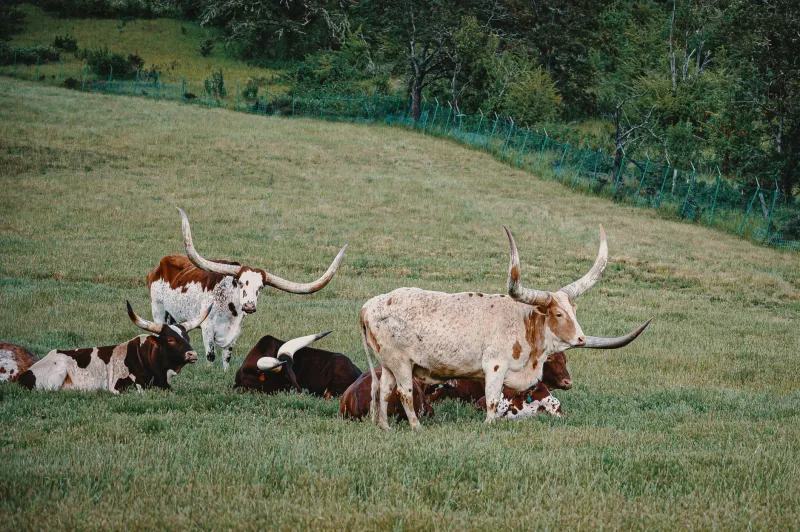
Livestock is among the most traditional forms of rural collateral, and also among the most mobile. A heifer may be worth a predictable amount today, but cattle prices move, animals age, and herd composition changes. A lender will ask how the animals are identified, whether they carry brands or tags, where they are kept, and whether they are insured.
In Texas, brand registration and livestock documentation can help establish ownership, but they do not answer every question. If cattle are jointly owned with a family member or business partner, the loan documents should reflect that ownership clearly. If the herd is already pledged on another obligation, the lender must know before closing. A borrower should bring a current head count, an ownership summary, and a realistic marketing plan. The plan need not be elaborate, but it should show that the lender and borrower share the same understanding of how the herd supports repayment.
The Home Place and the Back Forty: Land and Joint Ownership
Land is often the strongest collateral a rural borrower owns, but it is not simple. A lender will review the deed, the legal description, access, easements, and any existing liens. Appraised value may differ from the value the borrower assigns in conversation, and that difference is normal. The lender is looking for a defensible valuation, not a sentimental one.
Joint ownership deserves early attention. If a parent, sibling, or family entity appears on the deed, every owner with a legal interest may need to consent to the pledge. An heirship issue, an unresolved estate, or a life estate can complicate the process. These matters are manageable, but they are easier to address before a loan deadline is near. A borrower who brings a recent deed, a title commitment, and a clear explanation of ownership saves time for everyone.
When the Asset Already Has a Debt, or a Co-Owner
A frequent surprise in small-town lending is the asset that is already pledged. A truck may secure a note at another institution. A tractor may be financed through a dealer. A piece of land may carry a family lien. The lender must know the outstanding balance, the payment history, and whether the existing creditor will permit a second position. Sometimes a payoff and refinance makes sense. Sometimes the existing lien makes the asset unsuitable as additional collateral.
Joint ownership raises similar issues. Good intentions among family members do not replace written consent. If an asset is owned by two people, the lender will want both owners to understand and agree to the pledge. This is not a lack of trust. It is the same discipline that keeps family relationships intact when money is involved.
Preparing the File Before You Ask in 2026
A borrower can do much of the work before visiting the bank. Gather titles and registration for vehicles. Record serial numbers and photographs for equipment. Prepare a current livestock count and ownership summary. Obtain a recent deed, tax statement, or title commitment for land. Bring lien payoff letters for any asset already financed. If an asset is jointly owned, speak with the co-owner before the loan interview, not after.
Then have a candid conversation about value. The best collateral file does not promise the highest possible price. It shows a reasonable range, supported by documents, and acknowledges that a forced sale may bring less than an orderly sale. That realism is not pessimism. It is the foundation of a loan that can work for both parties.
A Final Word from the Officer’s Desk
In a community like Hico, collateral is personal because the assets are personal. The pickup is not merely a vehicle; it is how the work gets done. The heifer is not merely an inventory item; she is part of the next season. The land is not merely an address; it is a family history. A community lender respects that reality while still applying the same careful standards that protect the borrower and the bank.
Before asking for a loan in 2026, take an honest inventory of what you own. Clean titles, clear ownership, and realistic valuations will carry more weight than a hopeful number. That is not only good banking. It is the way neighbors keep a working relationship sound for the long haul.