Financing the Family Operation: A Practical Borrowing Guide for Texas Farms and Main Street Shops
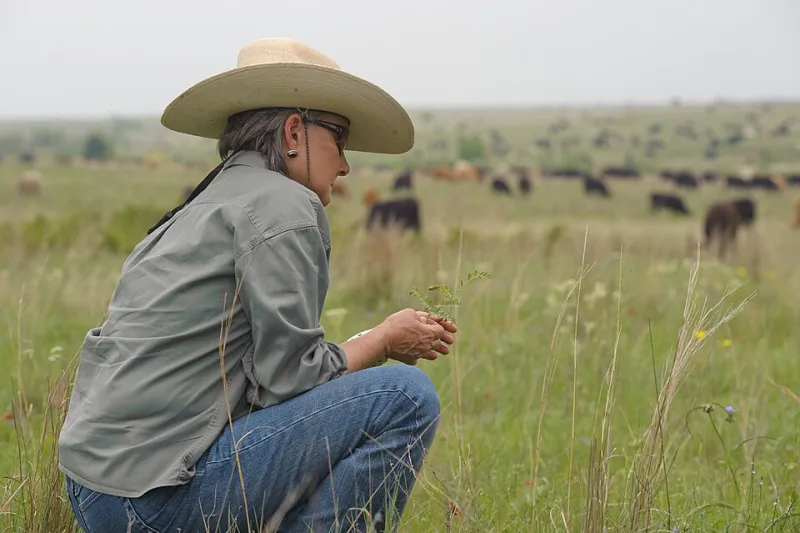
Photo: USDA NRCS Texas, Public domain, via Wikimedia Commons
Rural and small-town Texas runs on borrowed capital as much as hard work. A hay baler, a walk-in cooler, a line of credit that bridges the gap between planting and harvest—financing is the quiet infrastructure behind nearly every family operation in the state. Understanding which loan fits which need, and how a community bank evaluates your application, can save you months of frustration.
Matching the Loan to the Need
Agricultural loans cover operating expenses—seed, feed, fuel, labor—typically repaid when the crop or livestock sells. Terms are often structured around your production cycle rather than a rigid monthly calendar, because anyone who has farmed a season knows revenue does not arrive on the first of the month.
Equipment financing is secured by the machinery itself: tractors, irrigation systems, commercial kitchen gear, delivery trucks. Because the equipment serves as collateral, rates are frequently competitive, and terms can be matched to the asset's useful life. Financing a combine over fifteen years makes little sense; over five to seven, it does.
Real estate and facility loans help you buy farmland, expand a shop, or construct a building. These longer-term loans reward careful planning around cash flow and often pair well with guaranteed lending programs available through federal agencies for qualifying rural borrowers.
Working capital lines of credit are the flexible tool many Main Street businesses rely on. Draw what you need for inventory or seasonal payroll, repay as revenue comes in, and draw again. A line of credit is less a loan than a standing relationship.
How a Community Bank Reads Your Application
Large national lenders lean heavily on automated scoring. A community bank does consider your financial history, but the review is broader. Local lenders look at the five factors often called the pillars of credit: your character and track record, your capacity to repay, the collateral offered, the capital you have invested, and the conditions of your industry and local economy.
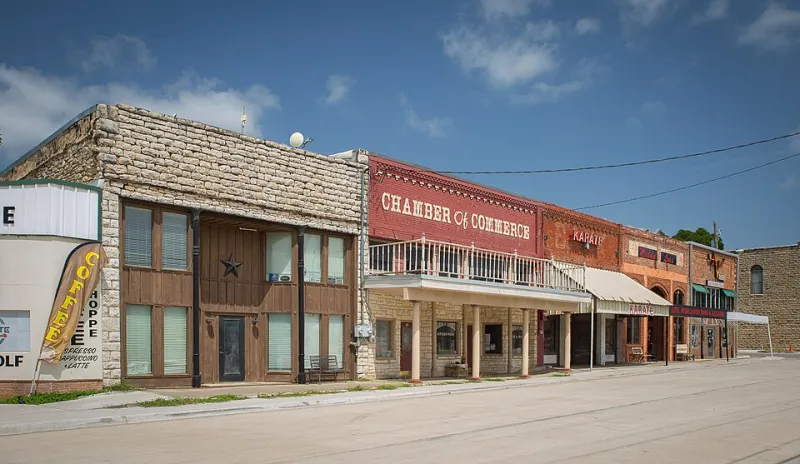
That last pillar matters in towns like ours. A lender who knows that cattle prices cycle, that the highway construction project will bring traffic past your storefront, or that your family has run cattle on the same land for three generations can weigh factors a spreadsheet cannot.
Local decision-making also changes the timeline. Because loan committees are nearby rather than in another time zone, approvals can often come in days rather than weeks, and terms can be adjusted to fit a situation that deserves flexibility.
What to Bring to Your First Meeting
Preparation shortens every conversation. Come with:
- Two to three years of business or Schedule F tax returns, plus personal returns for principals
- Current financial statements—a balance sheet and, ideally, a profit-and-loss statement
- A list of collateral with reasonable values: equipment, livestock, inventory, real estate
- A clear statement of purpose: how much you need, what it will buy, and how it will be repaid
- A simple projection of income for the next season or year
Do not worry if your records are kept in a ledger book rather than accounting software. Lenders in agricultural communities have seen every format. What they need is accuracy and completeness, not polish.
Questions Worth Asking Before You Sign
Ask whether the rate is fixed or variable and what triggers a change. Ask about prepayment penalties. Ask what happens if a season goes badly—whether there is room to restructure before a late payment becomes a problem. A lender who answers these plainly, before you ask twice, is telling you something important about how the relationship will work.
Borrowing Where You Bank
There is a practical advantage to borrowing locally that goes beyond rates: continuity. The person who approves your operating note is the person you will see at the feed store, the football game, and next year's renewal. That accountability runs in both directions, and in our experience it produces better loans—and better outcomes for the businesses that depend on them.